The Ministry of Agriculture, Animal Industry and Fisheries owes over Shs25 billion in subscriptions to international organisations, which Permanent Secretary, Maj. Gen. (Rtd) David Kasura-Kyomukama says is affecting Uganda’s participation in such fora.
According to the Permanent Secretary, the ministry has arrears of Shs12,8 billion to the International World Organisation for Animal Health to which Uganda owes Shs12.8 billion, the Desert Locust Control Organisation (Shs6.3 billion) and the International Red Locust Organisation (Shs6.17 billion).
The ministry also has arrears of Shs96.4 million and Shs87 million to the Food and Agriculture Organisation and the Organisation for Economic Cooperation and Development, respectively.
“The International World Organisation for Animal Health certifies our animal products for export and without membership in this organisation, you cannot take your products to international markets,” Kasura-Kyomukama said.
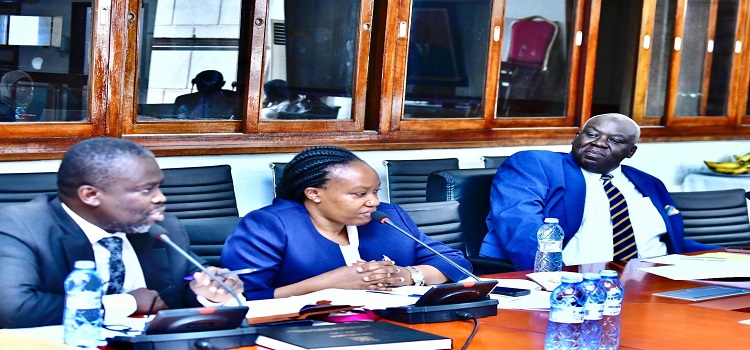
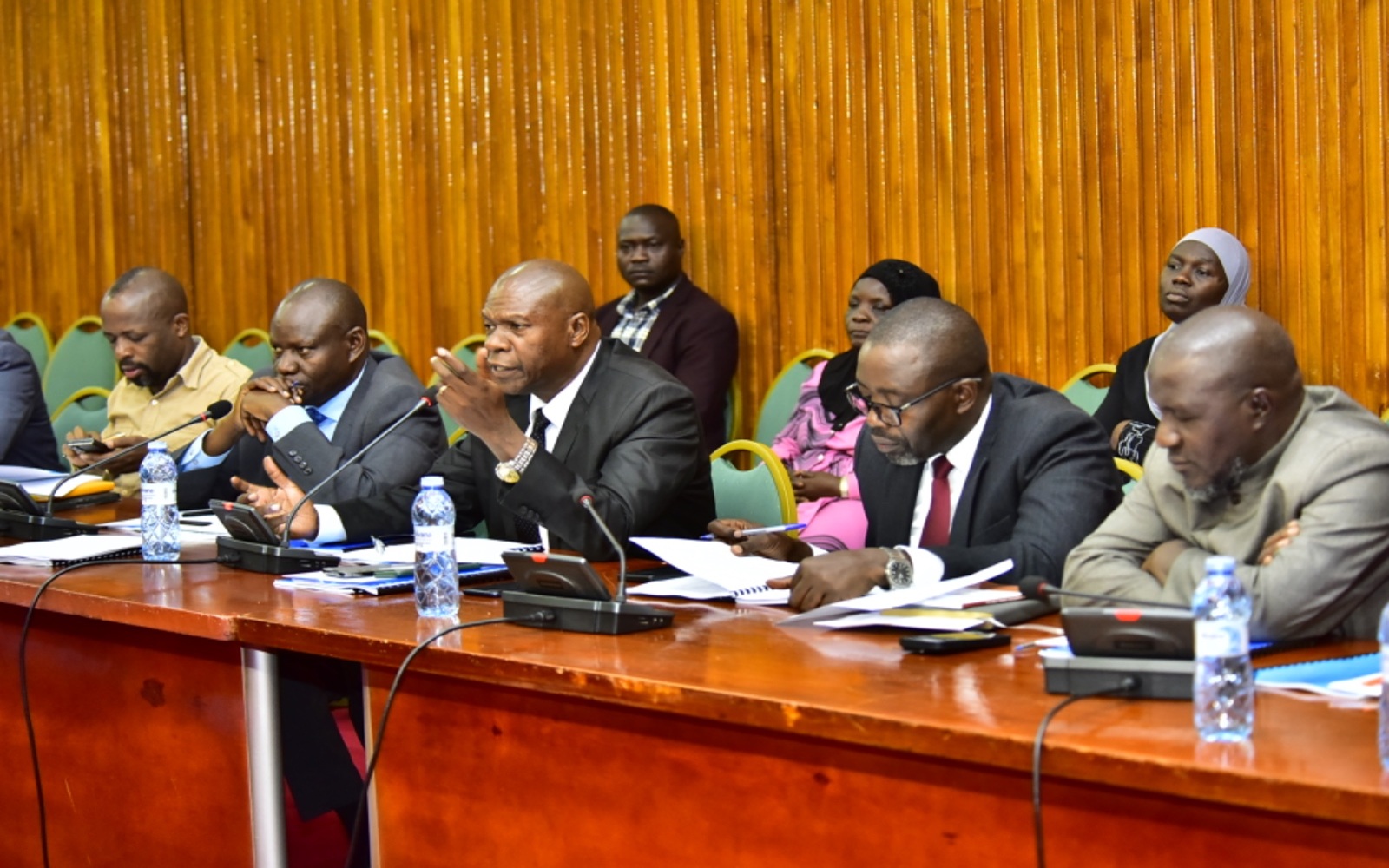
Kasura-Kyomukama made the revelation while appearing before the Public Accounts Committee (Central Government) on Tuesday, 24 February 2026 during the review of the report of the Auditor General for financial year 2024/2025.
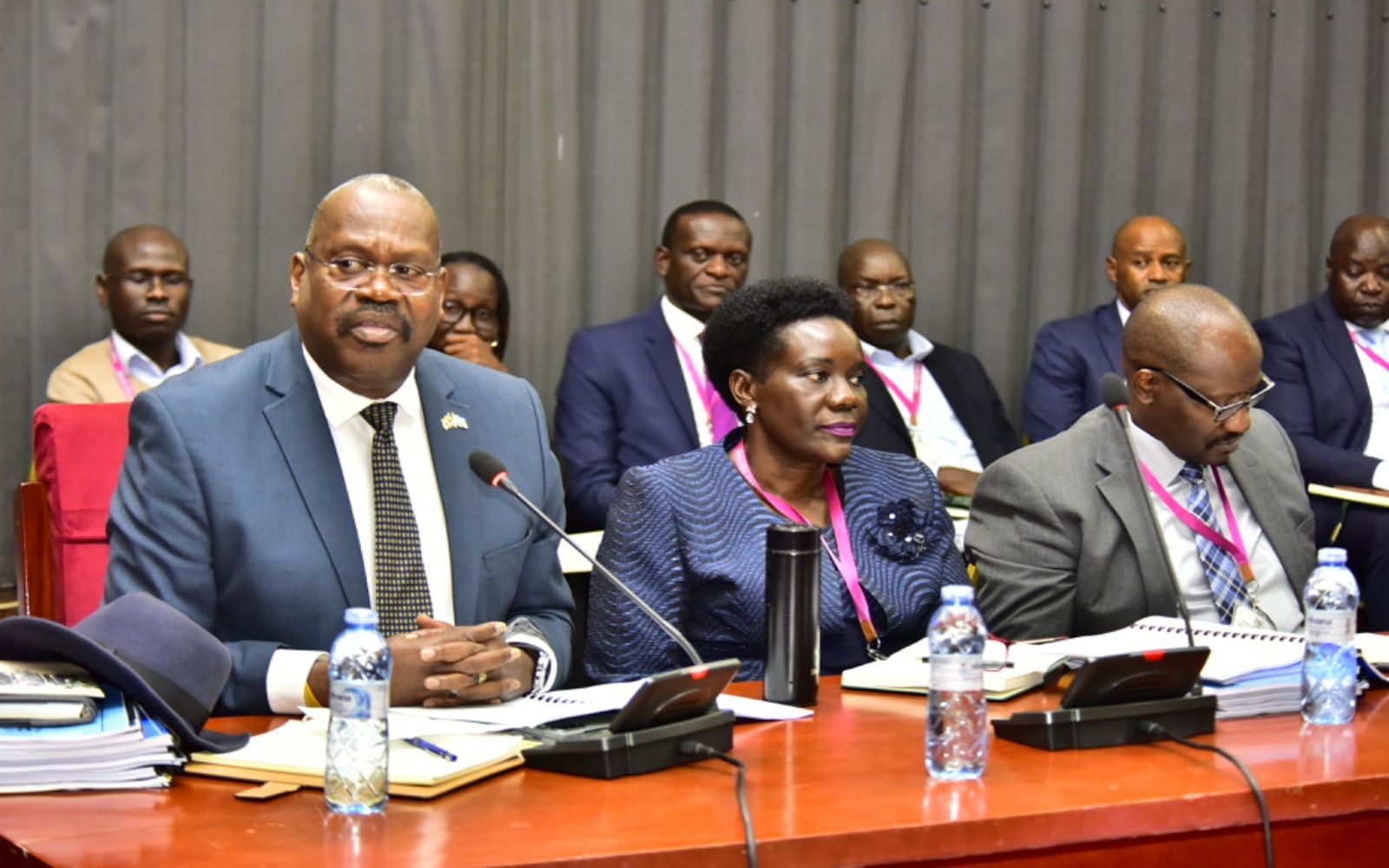
The Committee Deputy Chairperson, Hon. Gorreth Namugga questioned the relevance of participating in international bodies yet the country continues to accumulate heavy subscription arrears.
“We have seen instances where diplomats are given tickets to a certain country and are denied rights to make submissions at some conferences. A while back, the Prime Minister attended a certain conference and she was denied rights to access the microphone, which was an embarrassment to us,” Namugga said.
Hon. Fredrick Angura (NRM, Tororo South County) proposed that the ministry reduces its membership to the international organisations.
“We need to agree on which one is more important than the other and withdraw from those we think we can join again at a later time when our basket (finances) has improved,” Angura said.
Kasura-Kyomukama said that maintaining Uganda’s participation in international bodies is prudent especially in supporting the country’s agriculture sectors with required drugs and trade access.
“Most of these organisations know our challenges regarding payments. Most of these arrears were incurred before I became permanent secretary and I have been trying to pay them. I am in continuous engagement with the Minister for Finance to avail funds for this,” he added.
Bugiri Municipality Member of Parliament, Hon. Asuman Basalirwa tasked the ministry to explain why suppliers of coffee seedlings have not been paid and demanded for a commitment on when the payments will be made.
The Permanent Secretary said rationalisation of the Uganda Coffee Development Authority (UCDA) eliminated middlemen between producers and the market, which he said will now improve the coffee sector.
“UCDA had created a bureaucracy which imposed very many inefficiencies within the coffee sector. By removing that, you created efficiency, which now ensures that people can breathe,” Kasura-Kyomukama said.
He noted that the ministry has only 4,000 out of 10,000 required extension workers to serve across the country, but added that focus is on improving extension services especially in light of government programmes like the Parish Development Model (PDM).